
Experts in the North
Northern and Remote Engineering
Northern projects demand engineering capabilities grounded in strong technical capacity, practical field experience, and the ability to respond quickly due to complex northern site conditions. Permafrost, remote access, short construction seasons, extreme weather, sensitive ecosystems, and complex community needs are risks which only experience in northern environments can help address. TREK helps owners, communities, contractors, and consultants manage those risks with practical, field-tested engineering solutions built for northern realities.
Why Northern Work Needs Specialized Expertise
In northern Canada, the ground, water, climate, and logistics can each influence a project’s success. TREK brings together a multidisciplinary team with expertise in geotechnical, hydrotechnical, environmental, materials testing, and construction monitoring to anticipate risks, adapt quickly in the field, and keep projects moving safely & efficiently with long-term performance in mind. TREK has the cold regions experience your team can rely on.
Northern Services
Cold Regions and Permafrost Engineering
Site assessments, permafrost investigations, ground temperature monitoring, thermistor installation, thermal modelling, climate change impact assessment, and foundation design using northern-specific approaches such as thermosyphons and adfreeze piles.
Remote Geotechnical Investigations
Subsurface investigations, soil and groundwater classification, geophysics applications, bedrock core logging, terrain analysis, instrumentation, GIS-based subsurface mapping, and permafrost assessment.
Northern Foundations and Infrastructure Design
Foundation systems for buildings, bridges, embankments, railways, roads, utilities, energy infrastructure, and industrial sites where permafrost, frost susceptible soils, thaw settlement, soft soils, muskeg, bedrock, and groundwater conditions affect design.
Water, Drainage and Flood Protection
Hydrologic assessments, hydraulic modelling, bridge and culvert design, flood protection, drainage assessments, erosion protection, flood mapping, and environmental protection for water-sensitive infrastructure.
Environmental and Community Protection
Environmental site assessments, remediation planning, hazardous materials, environmental impact assessments, solid waste management, and hydrogeologic investigations for community, building, transportation, and industrial projects.
Materials Testing and Remote Construction Support
In-house testing, mobile operations, on-site laboratories for long-term projects, pile inspection, construction monitoring, instrumentation, and real-time data acquisition. With both labs and staff CCIL certified, our testing results keep projects moving forward — not slowing it down.
Project Examples
Cape Dorset High School
Owner:
Government of Nunavut
Client:
Accutech Engineering Inc.
Key Services Provided:
Northern Foundations and Construction Support
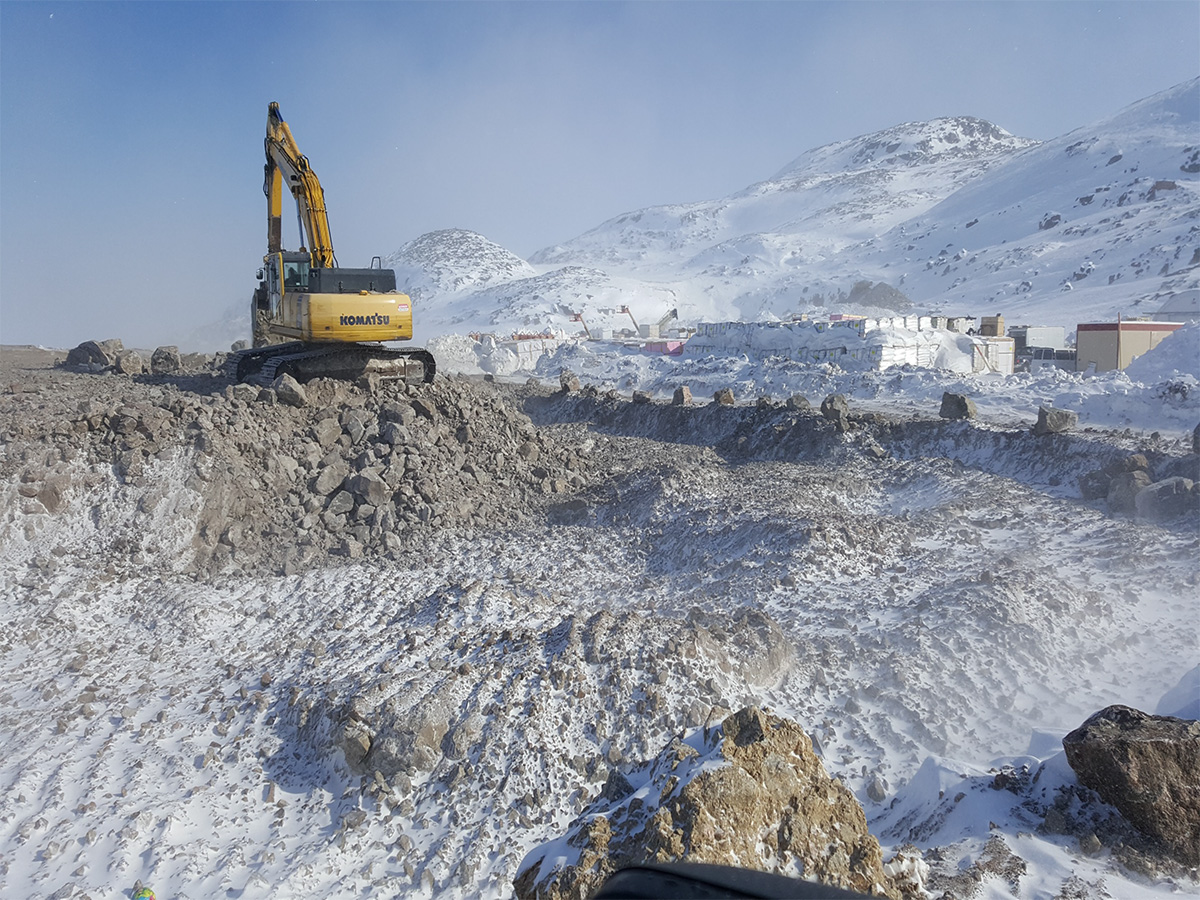
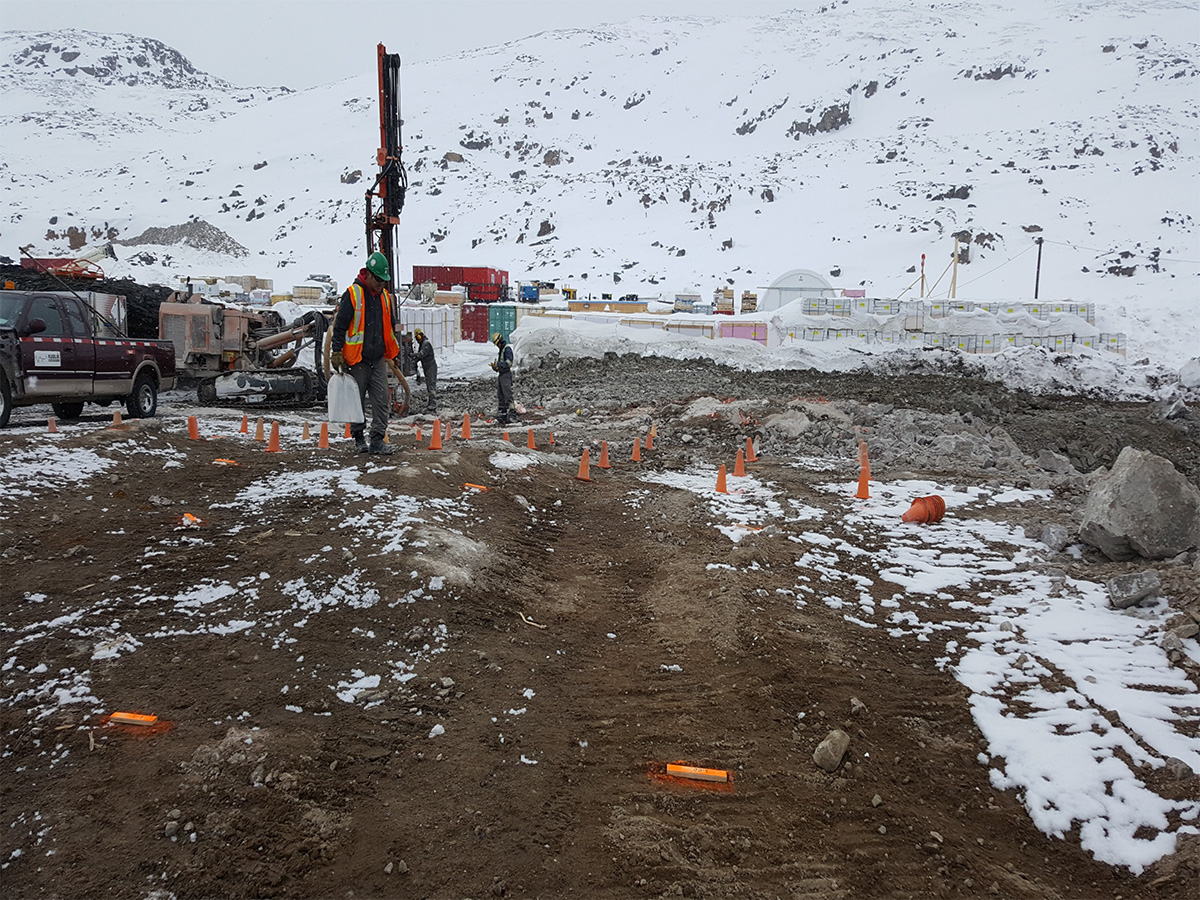
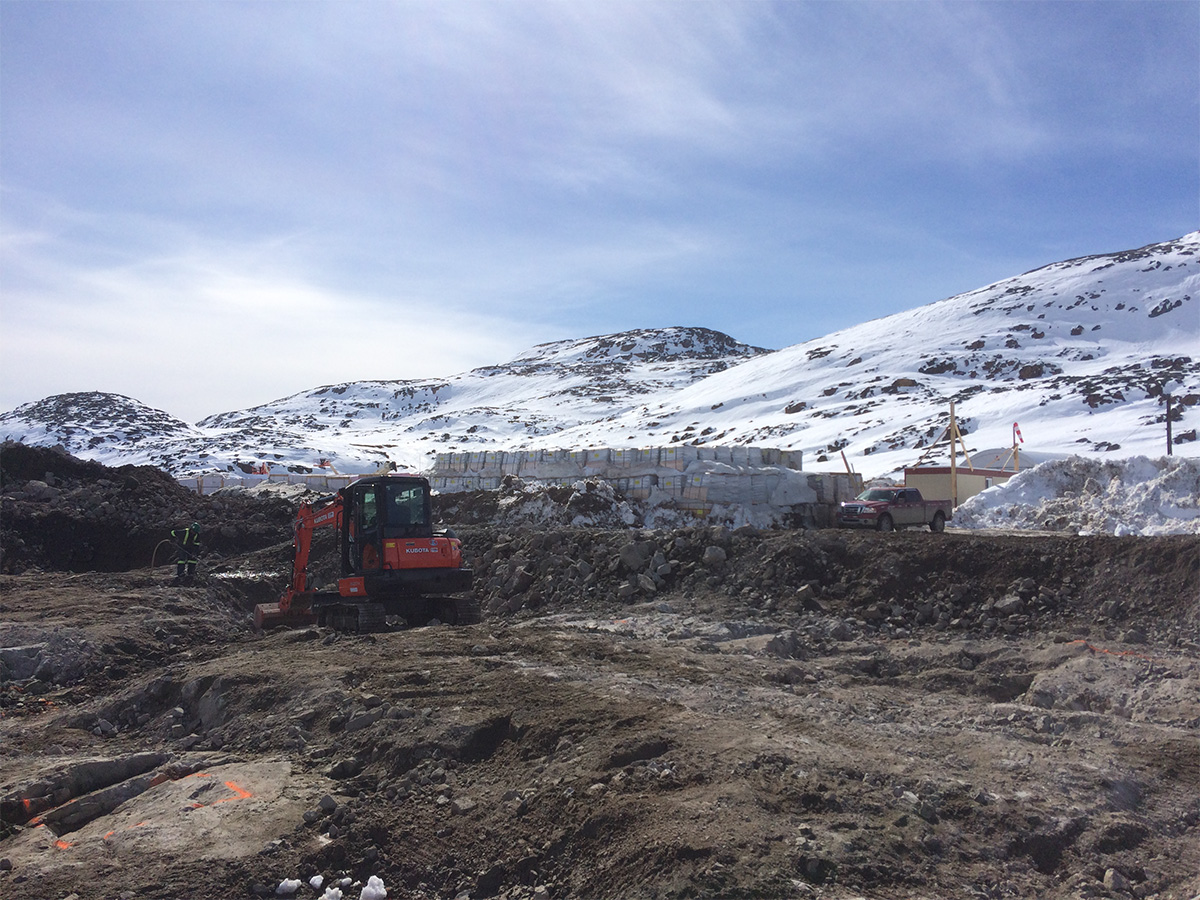
In 2017, TREK served as the geotechnical engineer during construction of the Cape Dorset High School. A new 3,160 m2 facility was built to replace the original school building. TREK provided engineering support and field observation services for the building’s foundation system during construction, which consisted of shallow spread footings dowelled into bedrock. This foundation type significantly reduced the risk of permafrost, as the probability of thaw causing foundation settlements is extremely low. TREK performed bearing surface condition assessments to evaluate the suitability for supporting the footings and foundation loads. TREK supervised proof hole drillings to evaluate the competency of rock below the bearing surfaces and identify presence and degree of sub-surface fracturing and ground ice. TREK provided construction recommendations to improve footing performance, ensuring that the design intent was met through identifying deficiencies in the bearing surfaces based on our assessment findings and proof hole drilling.
Keewatinohk AC/DC Converter Station
Owner:
Manitoba Hydro
Client:
Britco
Key Services Provided:
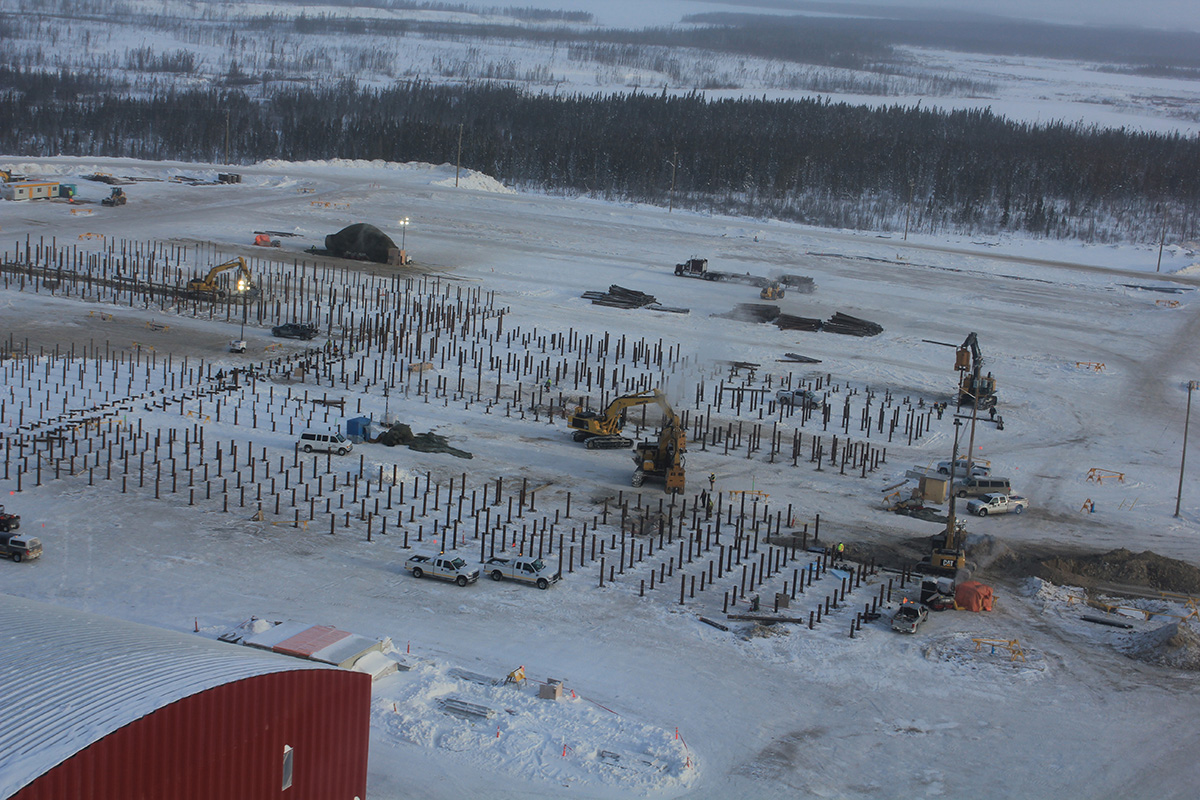
Cold Regions and permafrost engineering, remote construction support, pile load testing
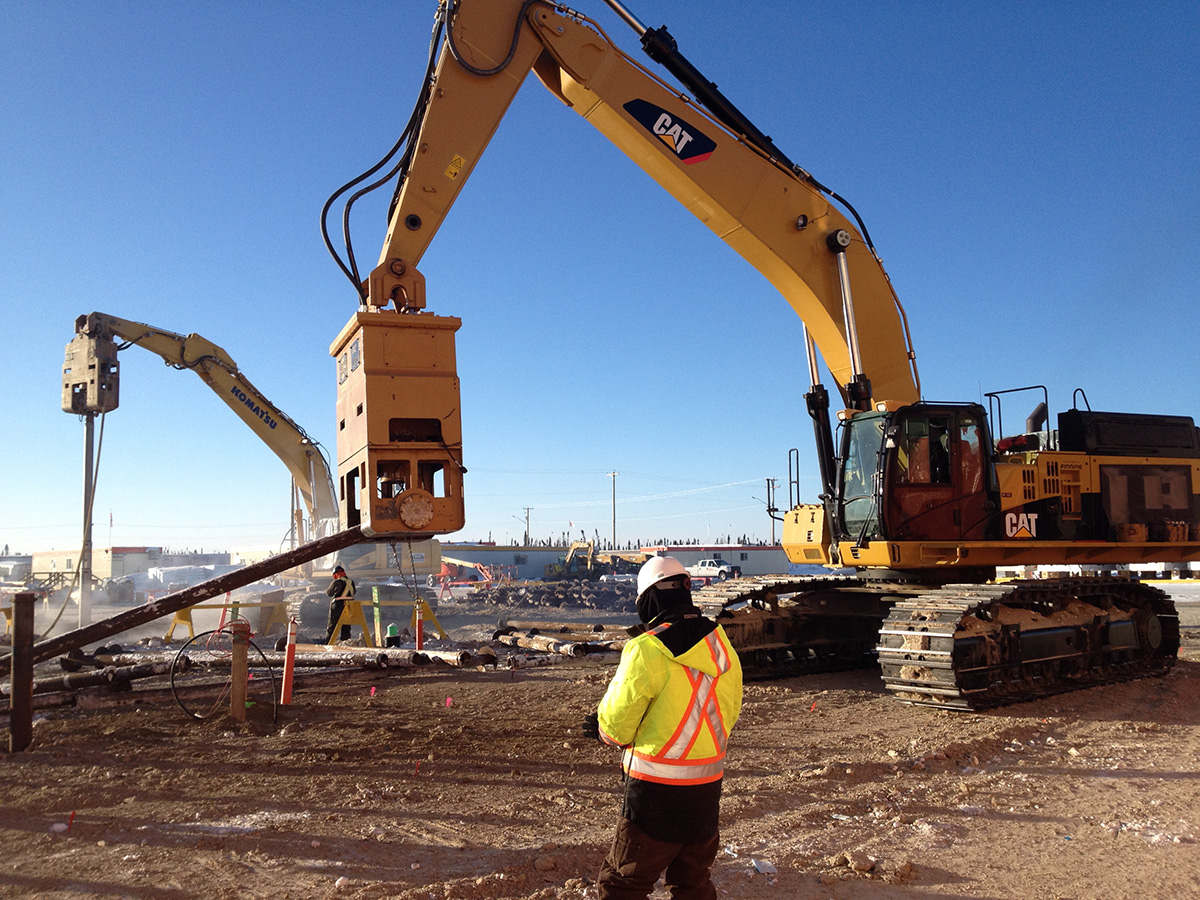
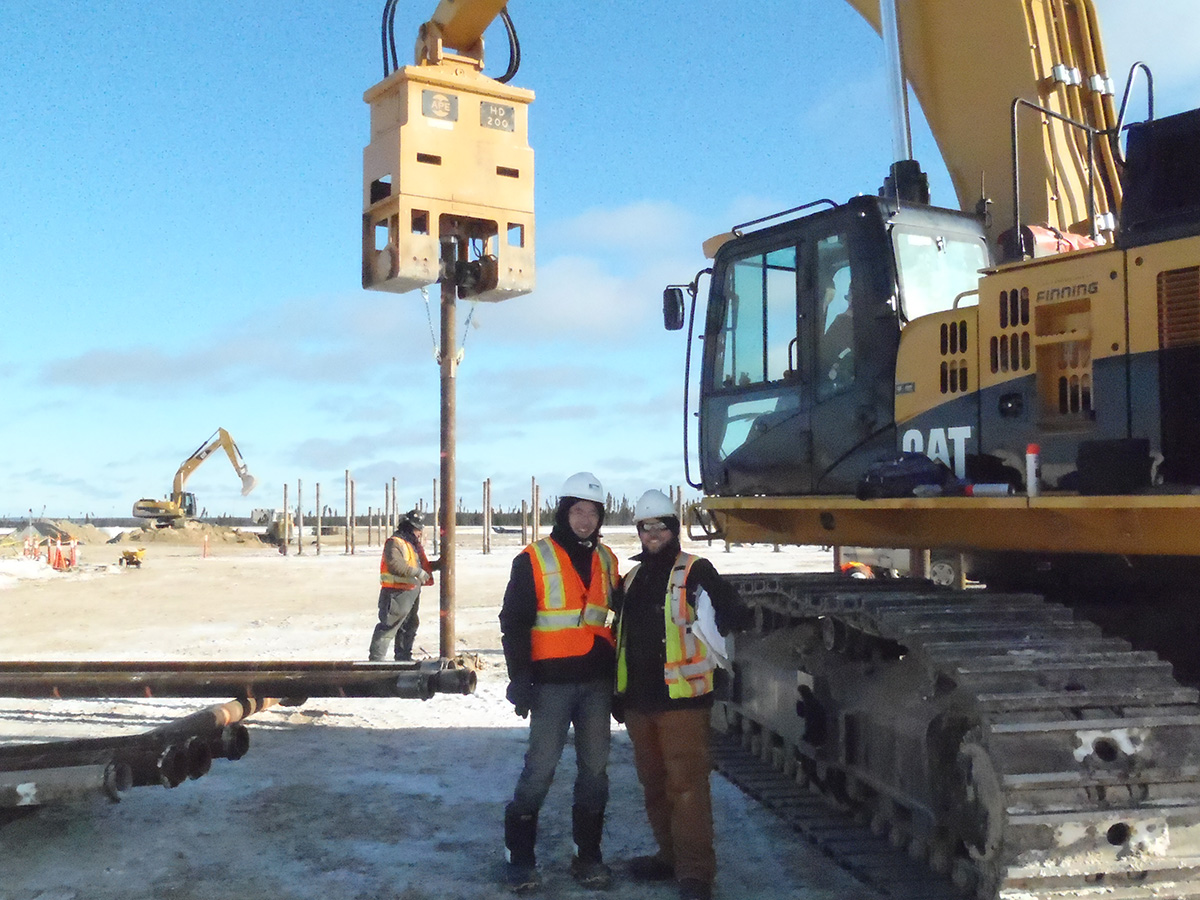
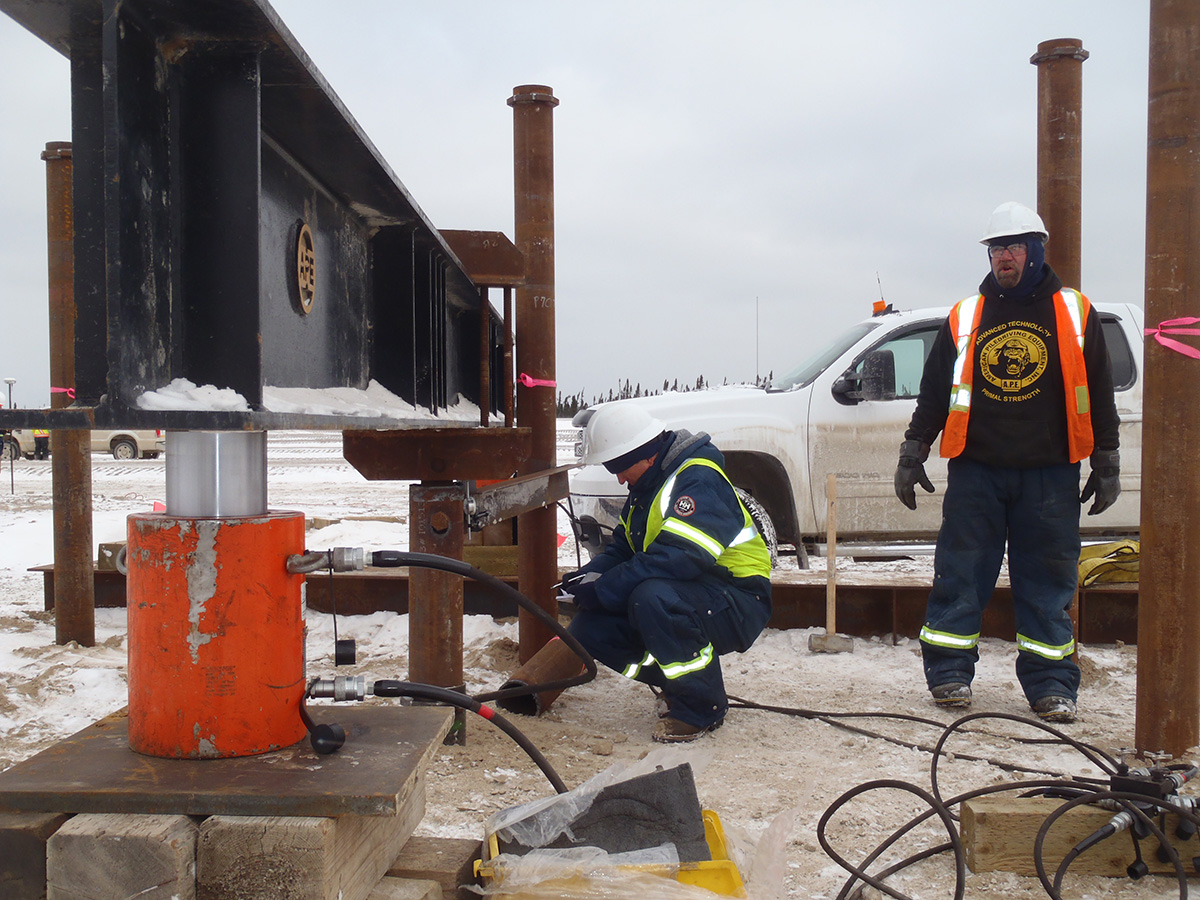
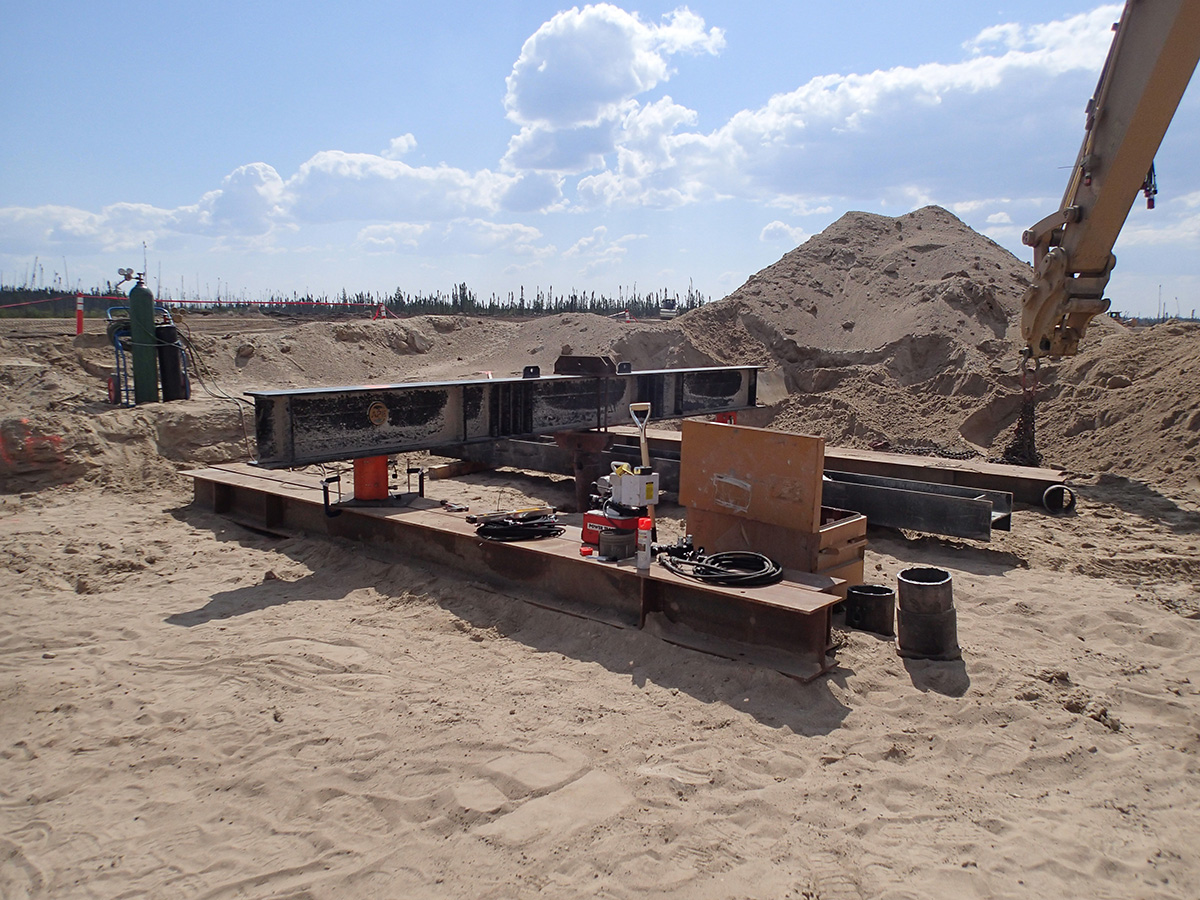
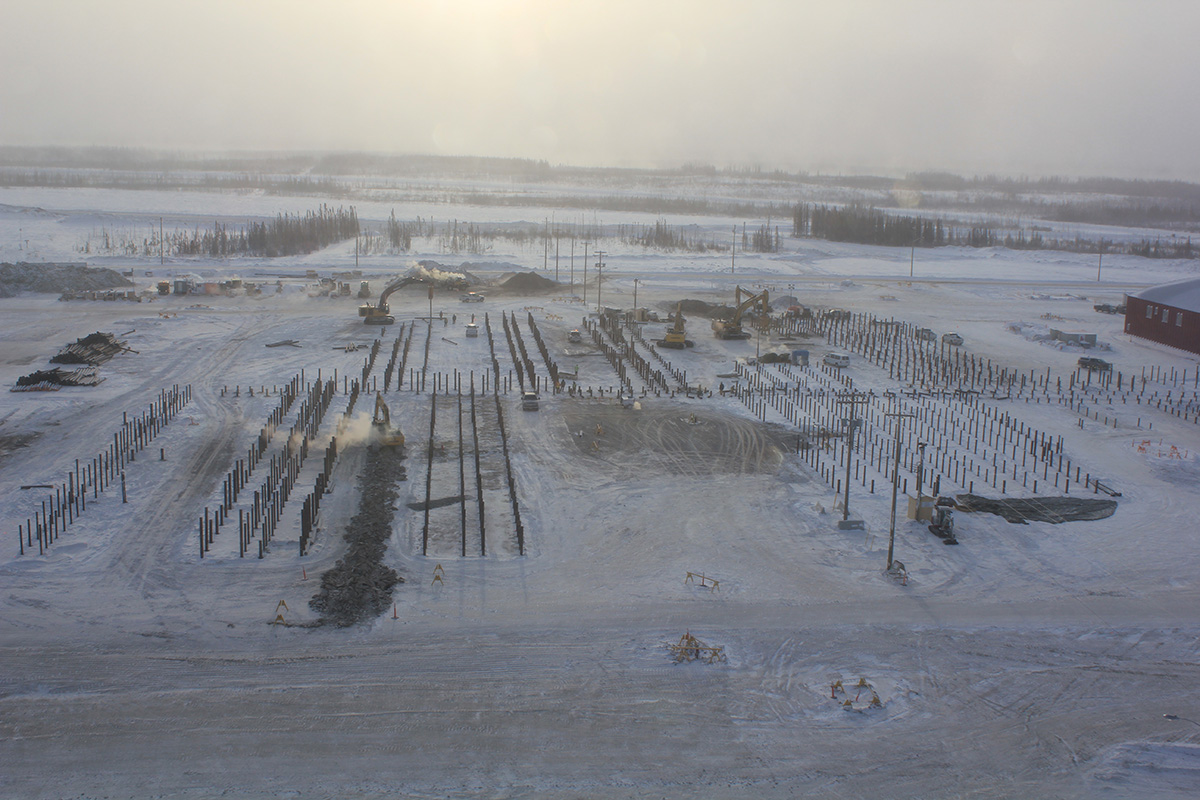
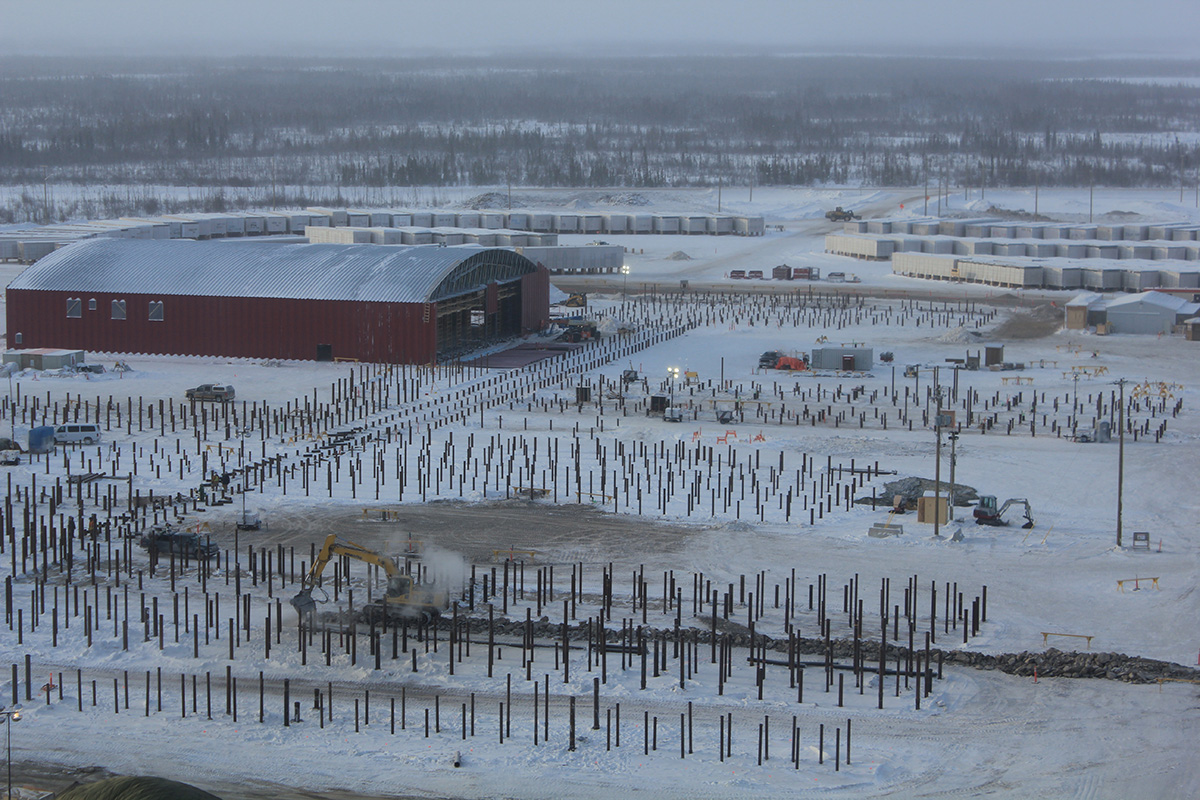
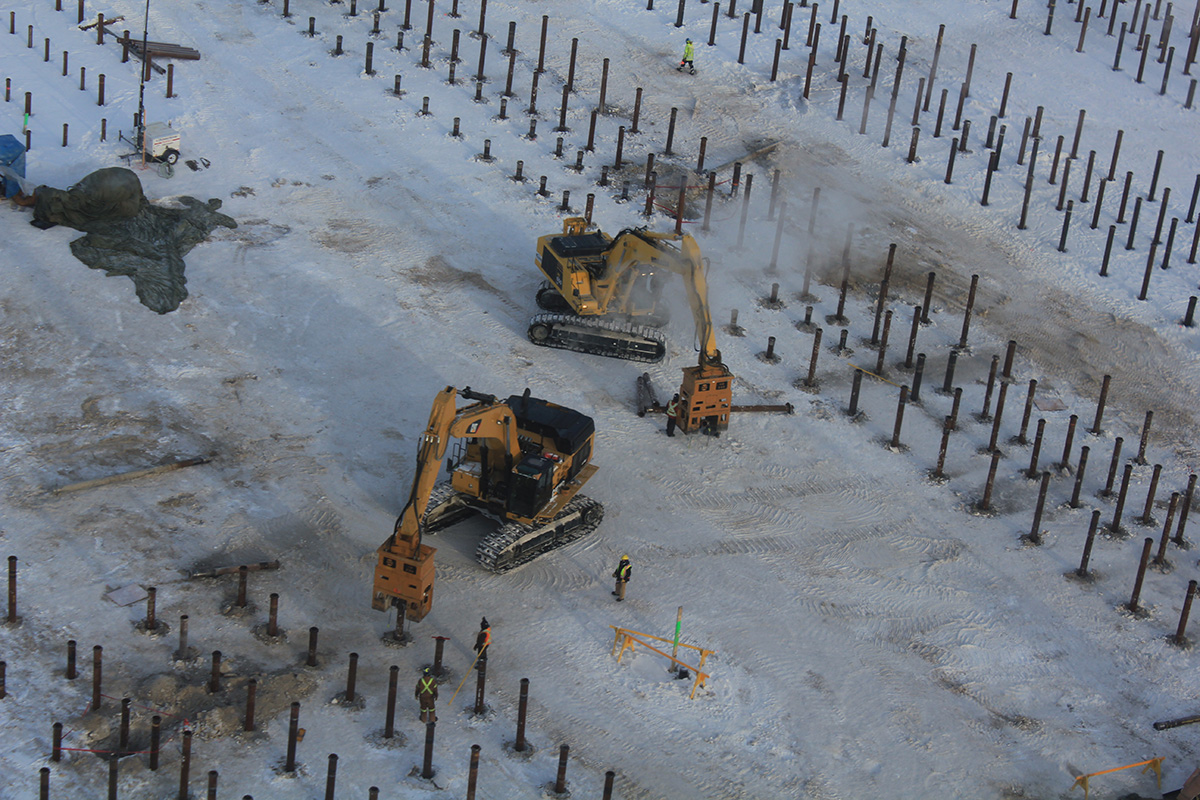
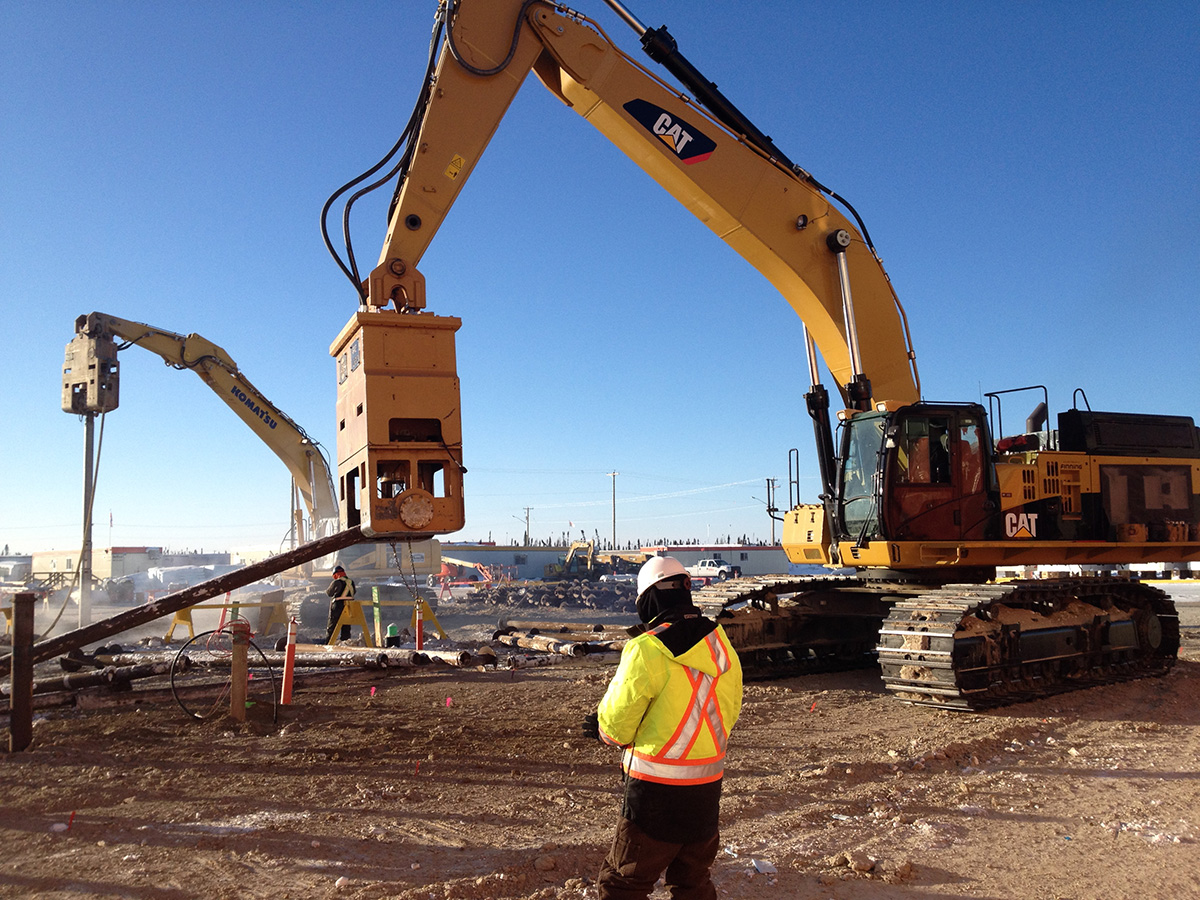
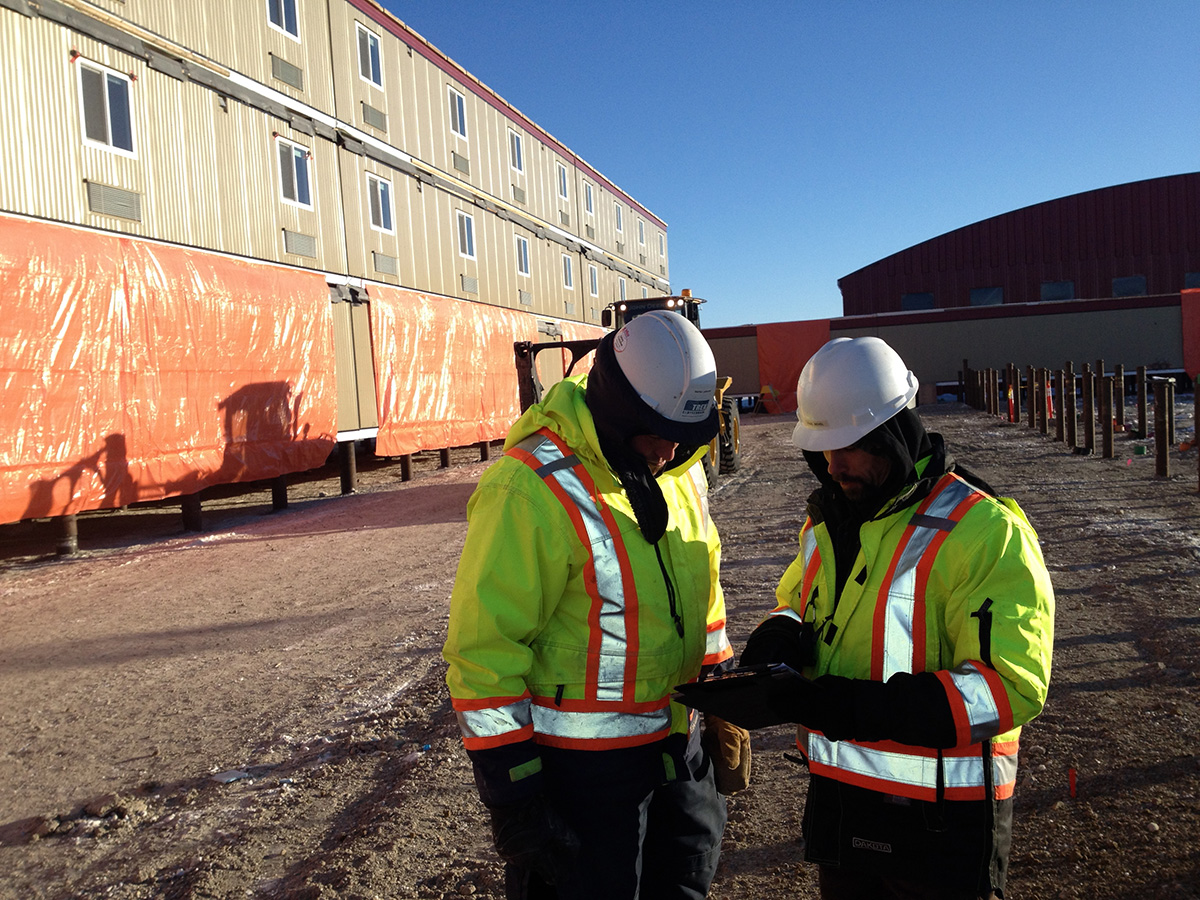
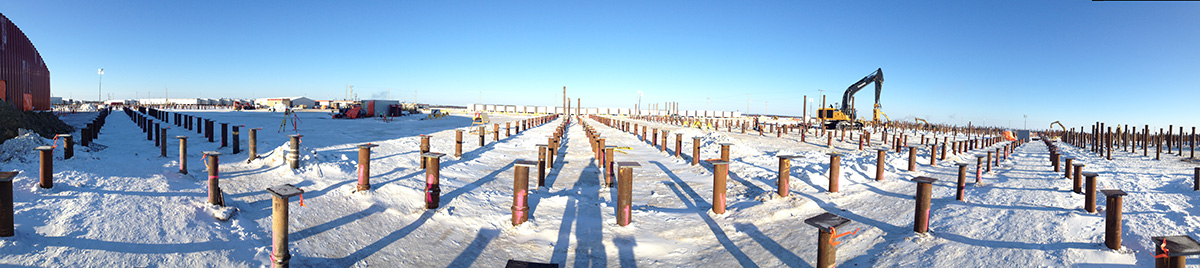
TREK observed the installation of over 1000 piles for construction of the converter buildings at the Keewatinohk Converter Station in Northern Manitoba. The converter buildings were constructed under a design build contract as part of the Bipole III Transmission Project. TREK provided engineering support services for the challenging project which included construction observation services, conducting static pile load tests and engineering design support. TREK observed the installation of over 400 helical piles to support the transformers and over 700 piles to support the buildings. TREK personnel conducted over 70 static pile load tests; including compression and uplift tests. Pile installation was complicated due to the presence of boulders in the till and the embedment requirements for the helical piles. Discontinuous permafrost was observed over much of the site and long-term thaw of the permafrost was incorporated into design of the converter building foundations. In addition to inspection services TREK also provided design support to address deficient piles on an as-needed basis.


Whatì Trail
Owner:
Tłı̨chǫ Community Government of Whatì
Client:
BluMetric Environmental Inc.
Key Services Provided:
Geotechnical/permafrost engineering, terrain assessment, sub-surface investigation, and provision of design and construction recommendations.
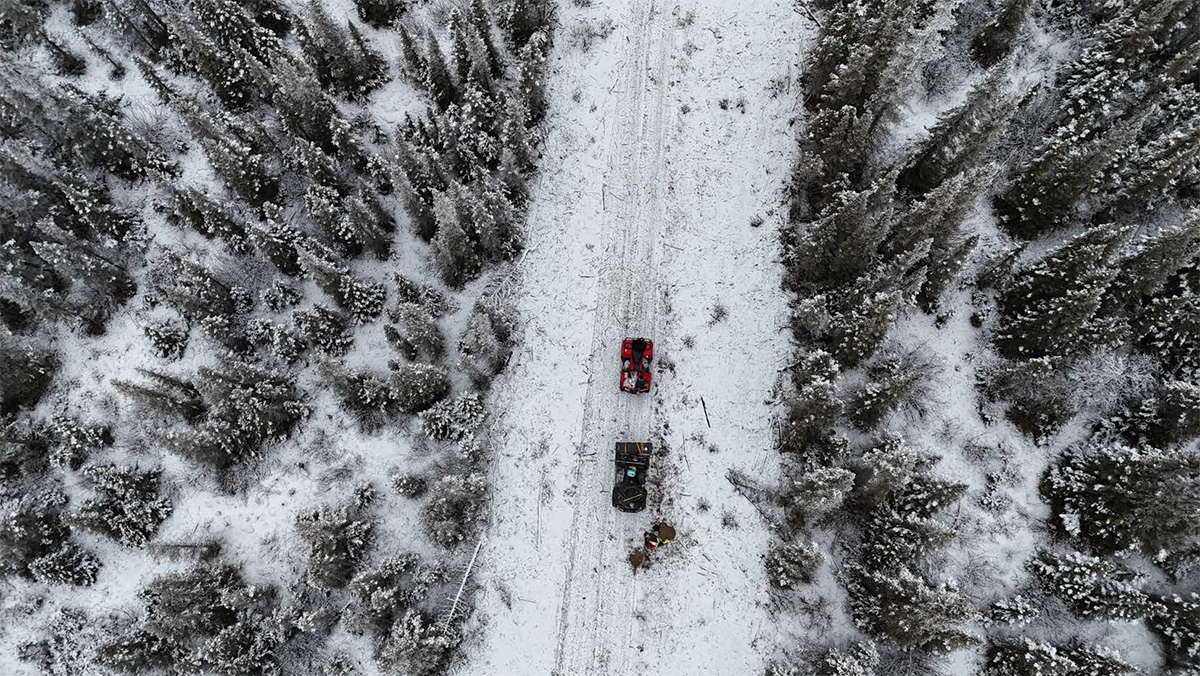
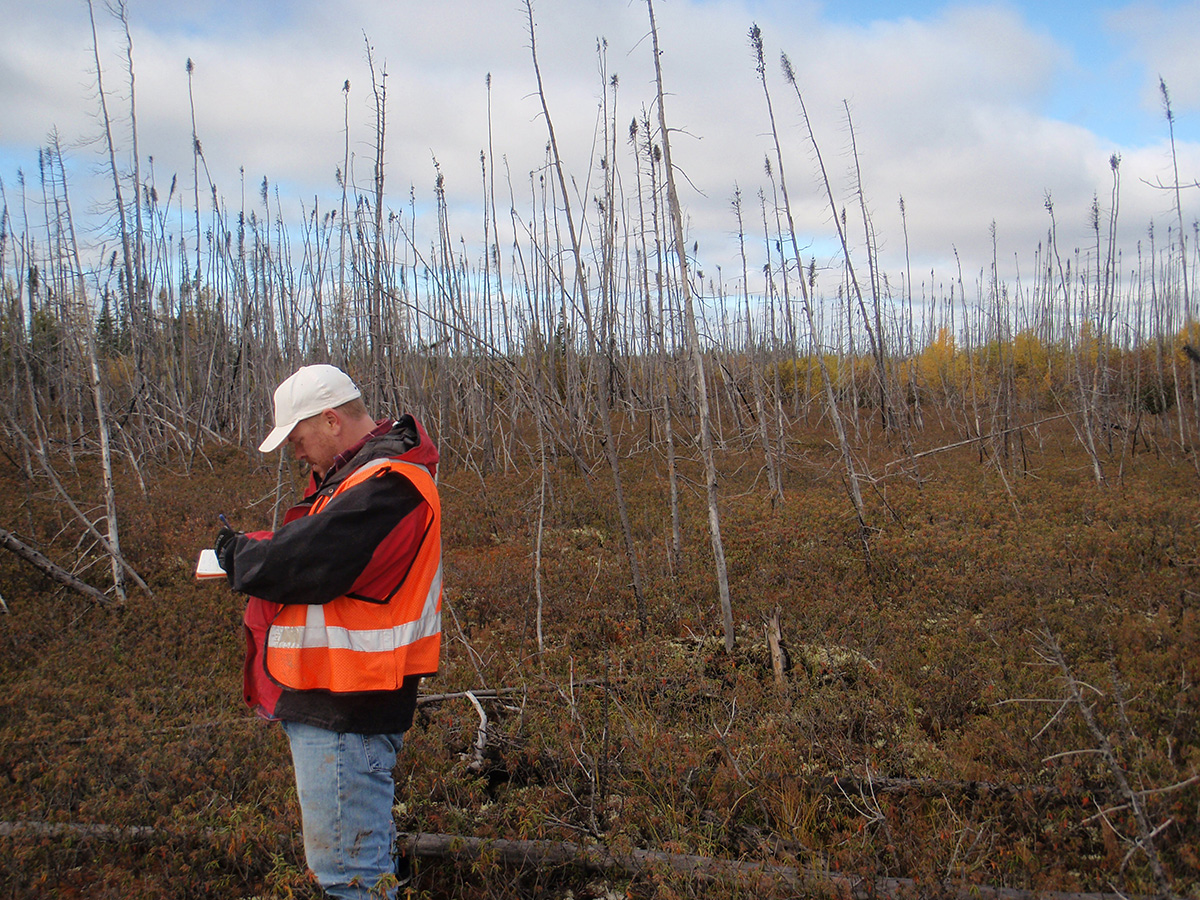
TREK completed a geotechnical study and trail upgrade recommendations for improvements to an existing approximately 4.2 km trail in the Tłı̨chǫ community of Whatì, Northwest Territories. The trail connects the community to a culturally significant area along Lac La Martre and is proposed to be upgraded from a natural-ground trail with corduroy-stabilized wet areas, to a single-lane granular embankment capable of supporting ATVs and pickup trucks. A key risk for the long-term sustainability of the trail is managing potential ice-rich permafrost conditions along the alignment.
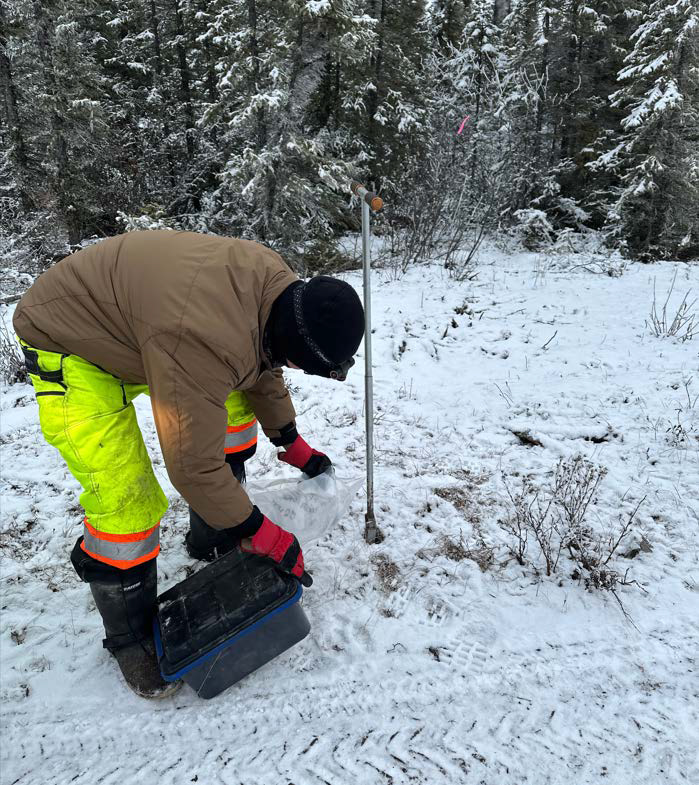
TREK’s scope of work included a desktop information review, preliminary terrain assessment, site reconnaissance, sub-surface investigation, laboratory testing, local borrow source assessment, and geotechnical design and construction recommendations for trail upgrades in sensitive northern ground conditions. The investigation identified variable organic and peat thicknesses, wet/bog areas, frost-susceptible soils, and suspected discontinuous permafrost along the alignment. TREK also evaluated proposed realignment options to improve routing over more suitable ground conditions and developed trail section recommendations for construction over soil and peat subgrades, including geotextiles, granular fill, drainage, settlement, maintenance, and permafrost protection considerations.
Canadian High Arctic Research Station (CHARS)
Client:
Public Works and Government Services Canada
Key Services Provided:
Hydrogeological engineering, geotechnical engineering, permafrost engineering, thermal monitoring
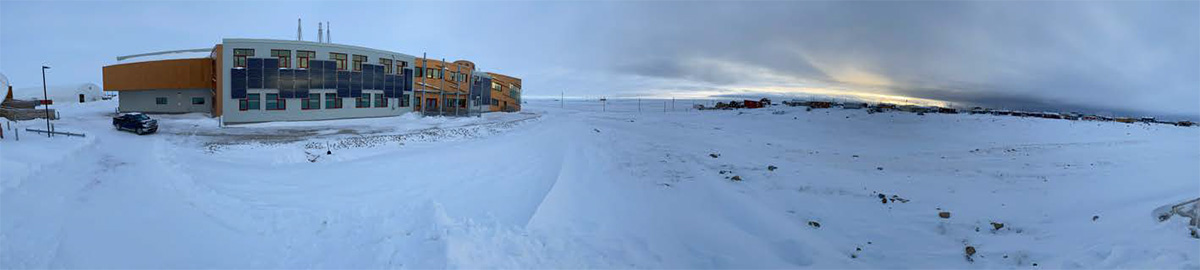
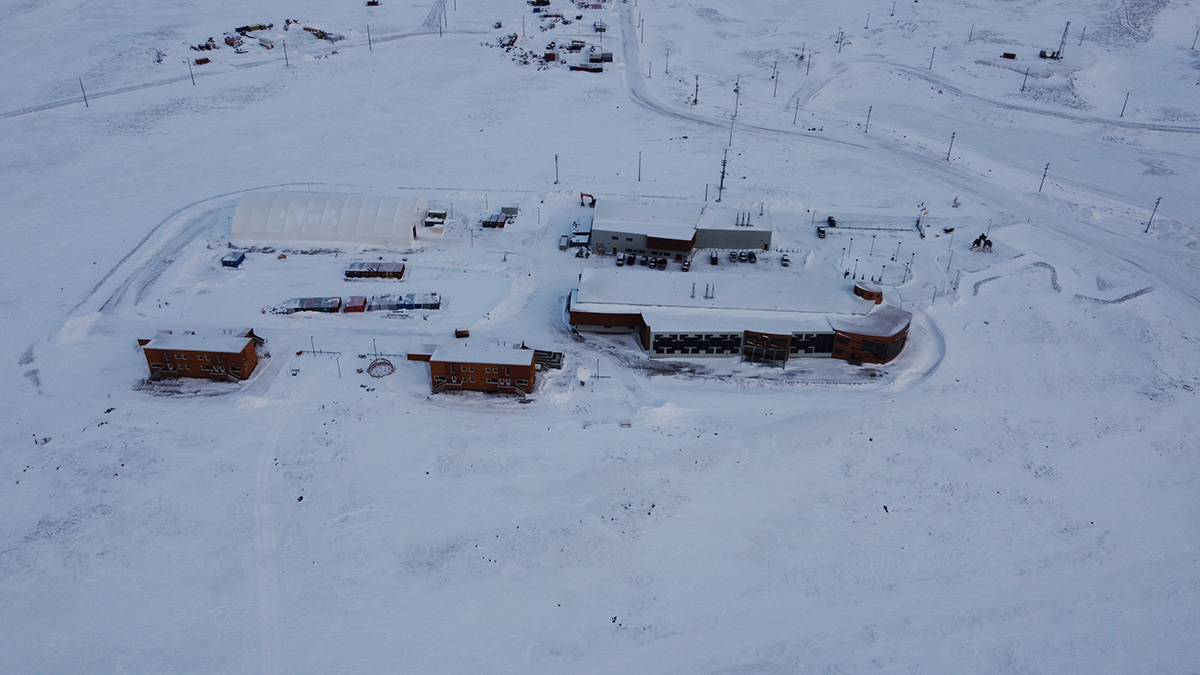
TREK, in partnership with Kitikmeot Environmental Ltd., completed a hydrogeological and geotechnical investigation to develop remedial recommendations for excessive seepage into the sump pit at the Main Research Building of the Canadian High Arctic Research Station in Cambridge Bay, Nunavut. The project involved evaluating potential seepage sources in a continuous permafrost environment, including overland drainage, snowmelt and rainfall infiltration, municipal water leakage, groundwater flow, and potential recirculation of sump discharge through the granular pad and perimeter ditch system.
TREK’s work included desktop review, site reconnaissance, hydrotechnical and geotechnical investigation, sub-surface investigation, laboratory testing, piezometer and thermistor installation, groundwater level monitoring, ground temperature monitoring, and development of remedial recommendations. Following supplemental investigation and implementation of a temporary sump discharge extension, monitored sump inflows decreased within 72 hours. The results indicated that recirculation of sump discharge from the perimeter ditch back to the weeping tile system was a significant contributor to the seepage issue. TREK recommended a permanent extension of the sump discharge pipe to reduce recirculation at the Main Research Building.
Northern Navigational Sites
Client:
Public Works and Government Services Canada – Canadian Coast Guard
Key Services Provided:
Geotechnical site assessments, permafrost engineering, sub-surface investigations, provision of foundation design and construction recommendations.
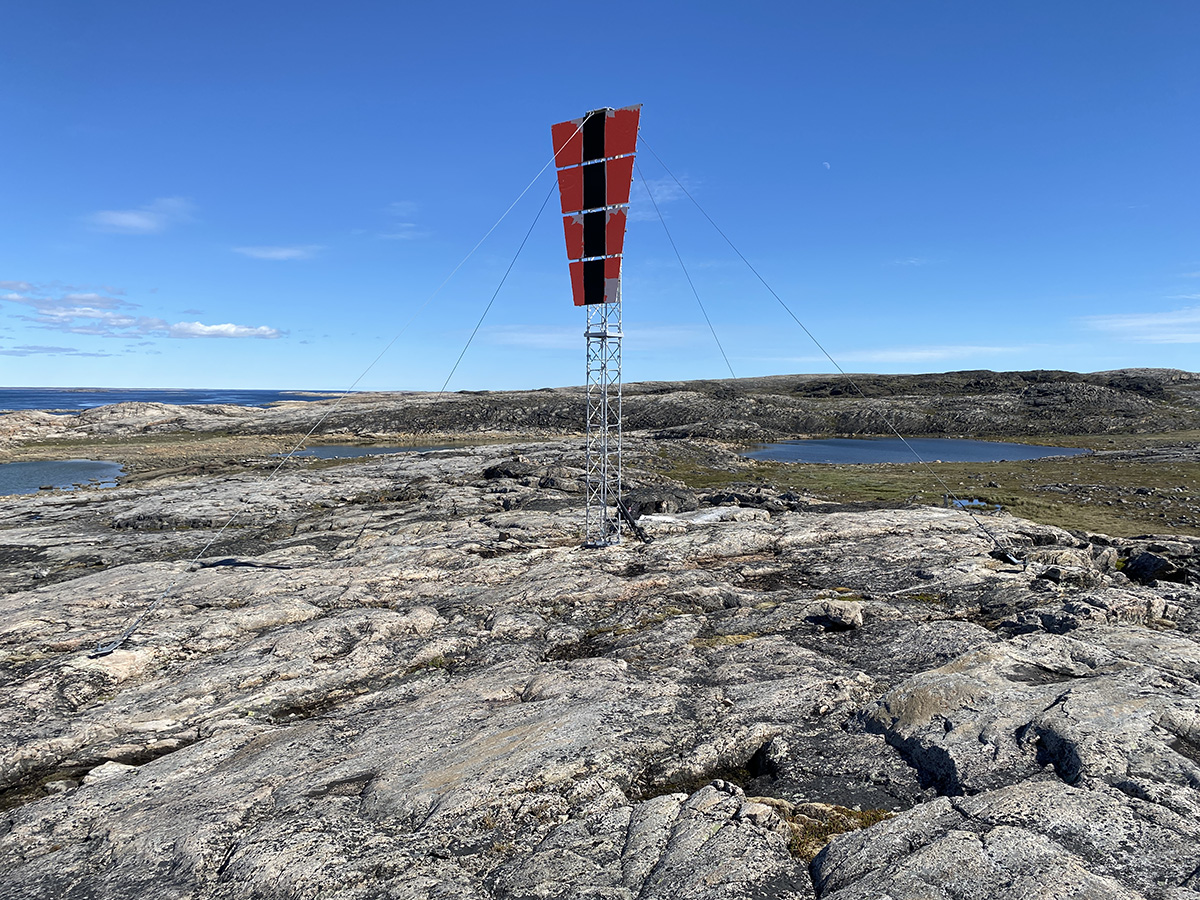
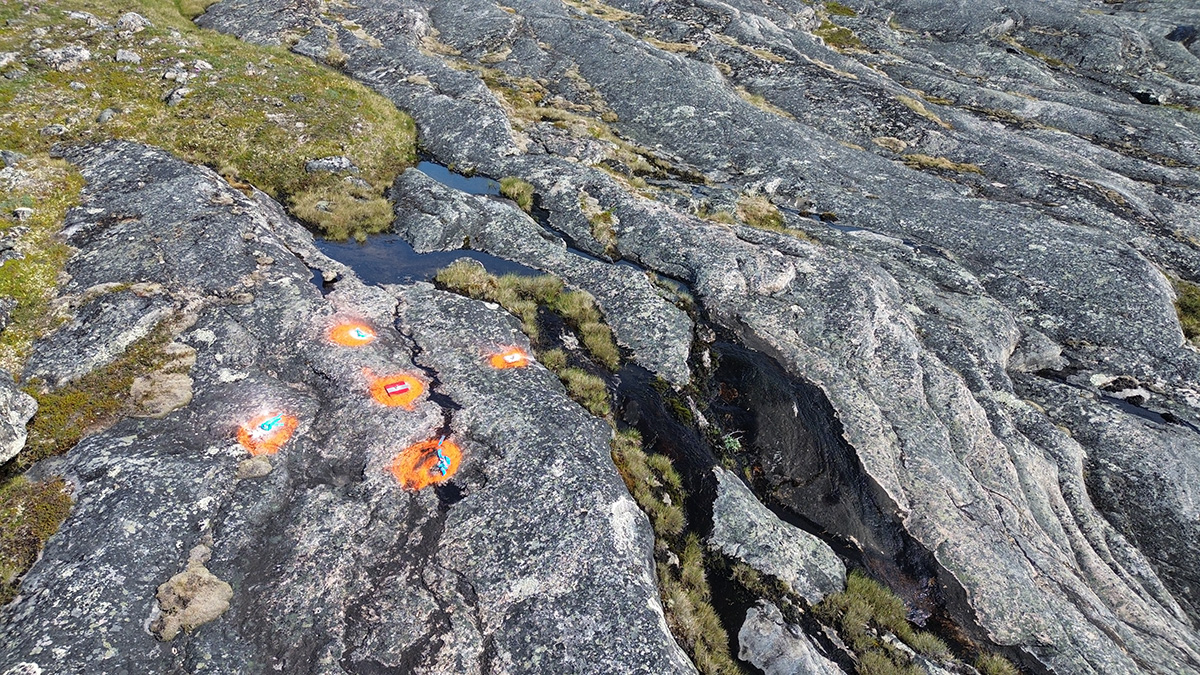
TREK completed geotechnical investigations and provided foundation recommendations for several Canadian Coast Guard navigational infrastructure projects in remote northern locations, including marine navigational towers, range sites, daymarks, and telecommunications towers. TREK’s scope of work generally included desktop review, remote site reconnaissance, geotechnical site assessments, shallow bedrock investigations, downhole camera review of drilled test holes, permafrost and climate change considerations, and geotechnical recommendations for foundations.
The Project consisted of 27 sites across the Kivalliq and Qikiqtaaluk regions of Nunavut. The sites were extremely remote, which required practical geotechnical approaches suited to isolated Arctic and coastal sites where access, equipment, weather, permafrost, and construction logistics may highly influence design and construction. The structure designs were dominated by wind loads – therefor, avoiding soils within ice-rich permafrost was key, such that rock socketed anchors could be constructed to resist these forces without the risk of permafrost degradation. TREK evaluated bedrock conditions, risks involving frost and permafrost, drainage, excavation considerations, and foundation performance for towers founded on shallow or surficial bedrock. Recommendations typically included concrete footings or bases on sound bedrock, with rock-socketed anchors to resist uplift and overturning from wind loads, as well as inspection of anchor sockets and bearing surfaces, and cold-region concrete and grout considerations for long-term performance in remote northern environments.
VHF Omni Range (VOR) Structures
Client:
Nav Canada
Key Services Provided:
Geotechnical engineering, permafrost and frost assessment, foundation design, thermal monitoring.
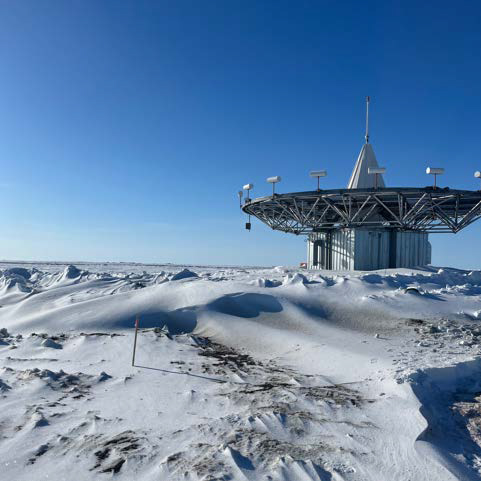
TREK completed geotechnical investigations and foundation recommendations for NAV Canada VHF Omni Range (VOR) infrastructure upgrades at several northern sites, including Rankin Inlet Nunavut, Cambridge Bay Nunavut, Moosonee Northwest Ontario, Churchill (Northern Manitoba), Normals Wells (Northwest Territories) and Yellowknife (Northwest Territories). The projects supported replacement VOR structures and associated monitoring antennas that form part of NAV Canada’s air navigation and communication network. TREK’s scope of work generally included sub-surface investigation, laboratory testing, assessment of soil and bedrock conditions, review of frost susceptibility and permafrost conditions, climate change considerations, and geotechnical design and construction recommendations for suitable foundation systems.
The work addressed northern foundation challenges including frost-susceptible soils, variable active layer depths, frozen ground, potential ground ice, shallow or deep bedrock, site drainage, and constructability in remote and cold-region environments. Based on site-specific conditions, TREK provided recommendations for foundation options including adfreeze steel pipe piles, rock-socketed steel pipe piles, helical piles, and shallow foundations, along with guidance for pile installation, uplift and adfreeze forces, corrosion and concrete durability, lateral pile capacity, seismic site classification, excavation considerations, and foundation inspection requirements.
NWT T-Line
Owner:
Northwest Territories Power Corporation
Client:
Ampjack Industries Ltd.
Key Services Provided:
Geotechnical engineering, permafrost and frost assessment, terrain analysis, sub-surface investigation, transmission tower foundation design, and foundation rehabilitation recommendations.
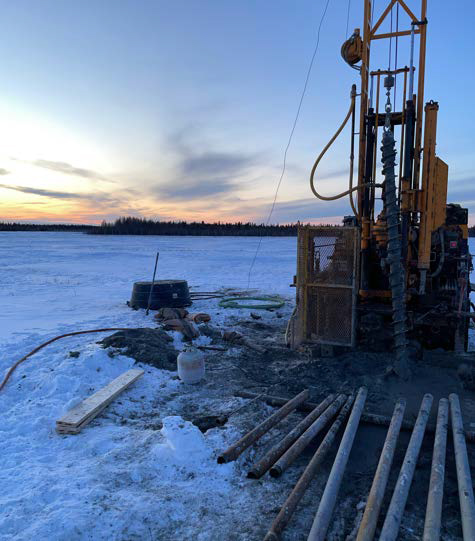
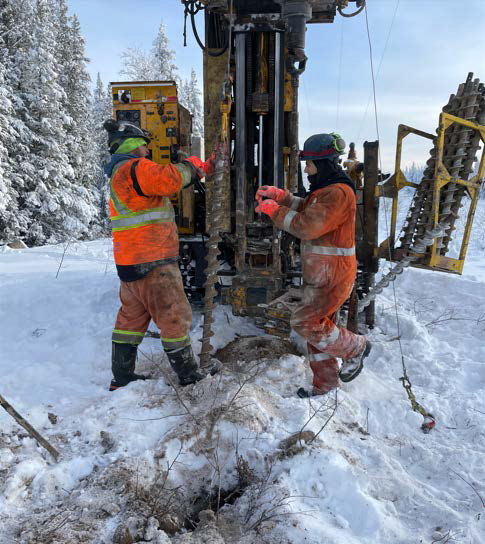
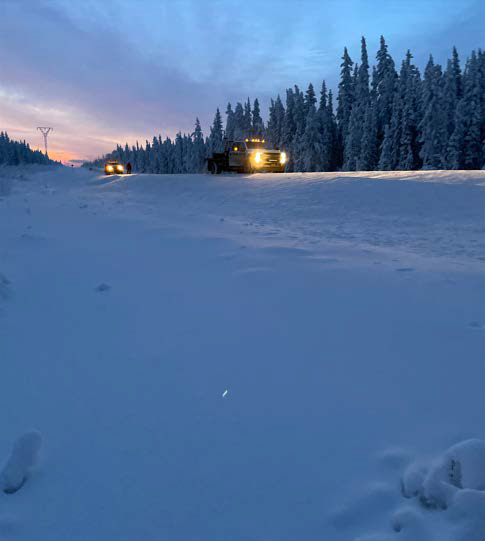
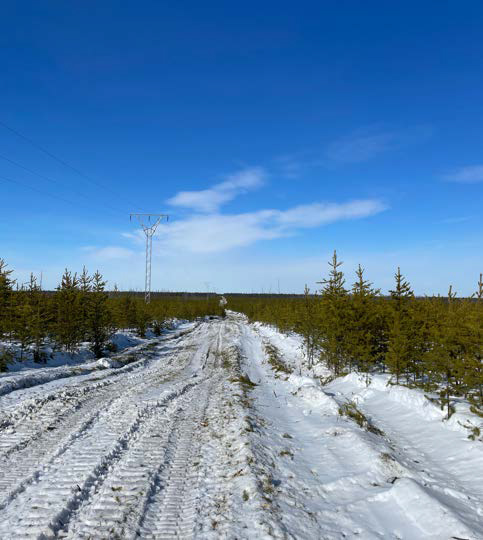
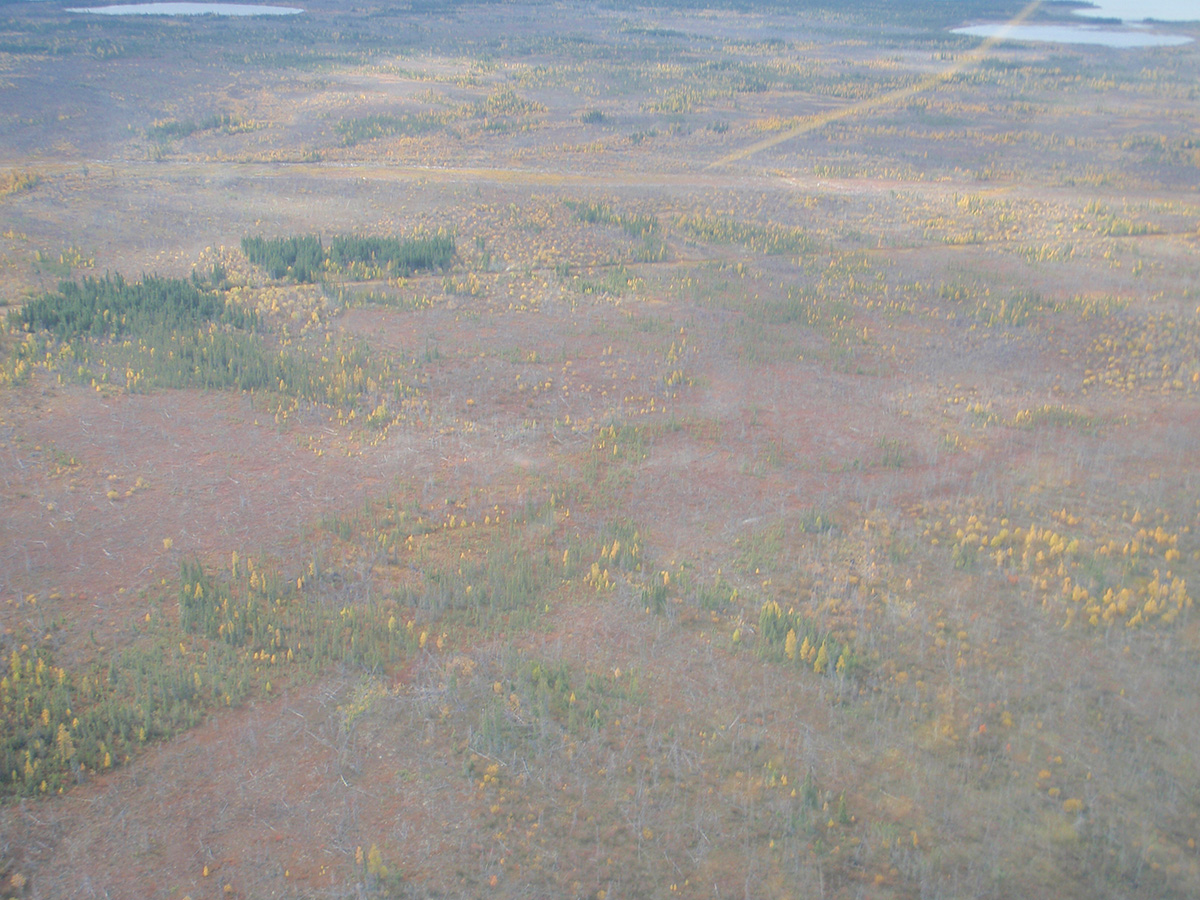
TREK completed a large-scale cold regions geotechnical and terrain assessment for the existing L150 transmission line in the Northwest Territories. The 285 km transmission corridor includes 801 guyed transmission towers extending from the Twin Gorges Generating Station to the Pine Point mine, and traverses highly variable northern terrain, including wetlands, muskeg, alluvial deposits, glaciolacustrine soils, glacial till, exposed Canadian Shield bedrock, and areas affected by permafrost and freeze-thaw processes. Many tower locations are accessible only by helicopter, tracked vehicle, ATV, or winter road, requiring TREK to combine aerial photography interpretation, terrain mapping, remote geotechnical investigation, laboratory testing, and targeted sub-surface exploration to characterize ground conditions and support rehabilitation planning.
TREK’s assessment identified seasonal frost movement, frost-susceptible soils, active-layer processes and localized permafrost degradation as important contributors to foundation and guy-anchor performance. Site-specific northern foundation engineering recommendations were developed based on soil stratigraphy, bedrock depth, frost penetration, adfreeze and frost-jacking forces, constructability, and the extreme logistics associated with maintaining remote northern infrastructure. Foundation rehabilitation alternatives included micropiles, helical piles, rock-supported foundations and other anchor systems selected according to terrain and subsurface conditions. The project demonstrates TREK’s ability to integrate permafrost engineering, geomorphology, terrain analysis and geotechnical foundation design across long linear infrastructure corridors in remote and discontinuous-permafrost environments.
Residential Housing – Various Communities
Client:
Dillon Consulting Ltd.
Key Services Provided:
Cold regions engineering, permafrost engineering, desktop geotechnical assessments, northern foundation design, climate change adaptation, granular pad design, shallow and deep foundation recommendations, and site drainage considerations.
TREK completed cold regions and permafrost engineering assessments for residential housing developments across nine Nunavut communities: Cambridge Bay, Arviat, Arctic Bay, Kugluktuk, Kinngait, Qikiqtarjuaq, Taloyoak, Chesterfield Inlet and Rankin Inlet. The program involved desktop review of available geotechnical investigations, surficial geology, regional ground-ice information, climate data, aerial imagery and local construction practices to characterize anticipated subsurface stratigraphy, active-layer thickness, continuous permafrost, ground-ice conditions, frost susceptibility, shallow bedrock and groundwater conditions. The assessments addressed a broad range of Arctic terrain and foundation conditions, from ice-rich frozen soils susceptible to thaw settlement to communities where shallow Canadian Shield bedrock provides opportunities to isolate structures from degrading permafrost. TREK developed community and lot-specific recommendations while considering the practical constraints of remote northern construction, including locally available aggregate, equipment, labour, construction methods and long-term foundation maintenance.
TREK evaluated foundation performance over the anticipated building service life, explicitly considering climate warming, increasing mean annual air and ground temperatures, active-layer deepening, permafrost degradation, frost heave, and thaw settlement using northern infrastructure guidance including CSA PLUS 4011. Foundation strategies varied with local ground conditions and included adjustable shallow foundations and triodetic spaceframes on engineered granular pads, shallow footings bearing on bedrock, rock-socketed steel pipe piles, adfreeze piles and thermosyphon-stabilized foundation systems. Recommendations also addressed non-frost-susceptible granular fill, insulation, ventilated air spaces beneath buildings, drainage, frost-jacking and uplift resistance, ground-ice risks, foundation inspection and ongoing monitoring and adjustment. The multi-community program demonstrates TREK’s ability to apply Arctic geotechnical engineering and climate-resilient permafrost foundation design across highly variable geological and thermal regimes while developing practical housing solutions suited to construction and operation in remote Nunavut communities.
Speers Lakes Sites, NU
Client:
BLM-KEL-60 Corporation
Key Services Provided:
Arctic geotechnical engineering, permafrost assessment, terrain mapping, ground truthing, borrow source assessment, site access planning, drainage assessment, and geotechnical recommendations for remediation.
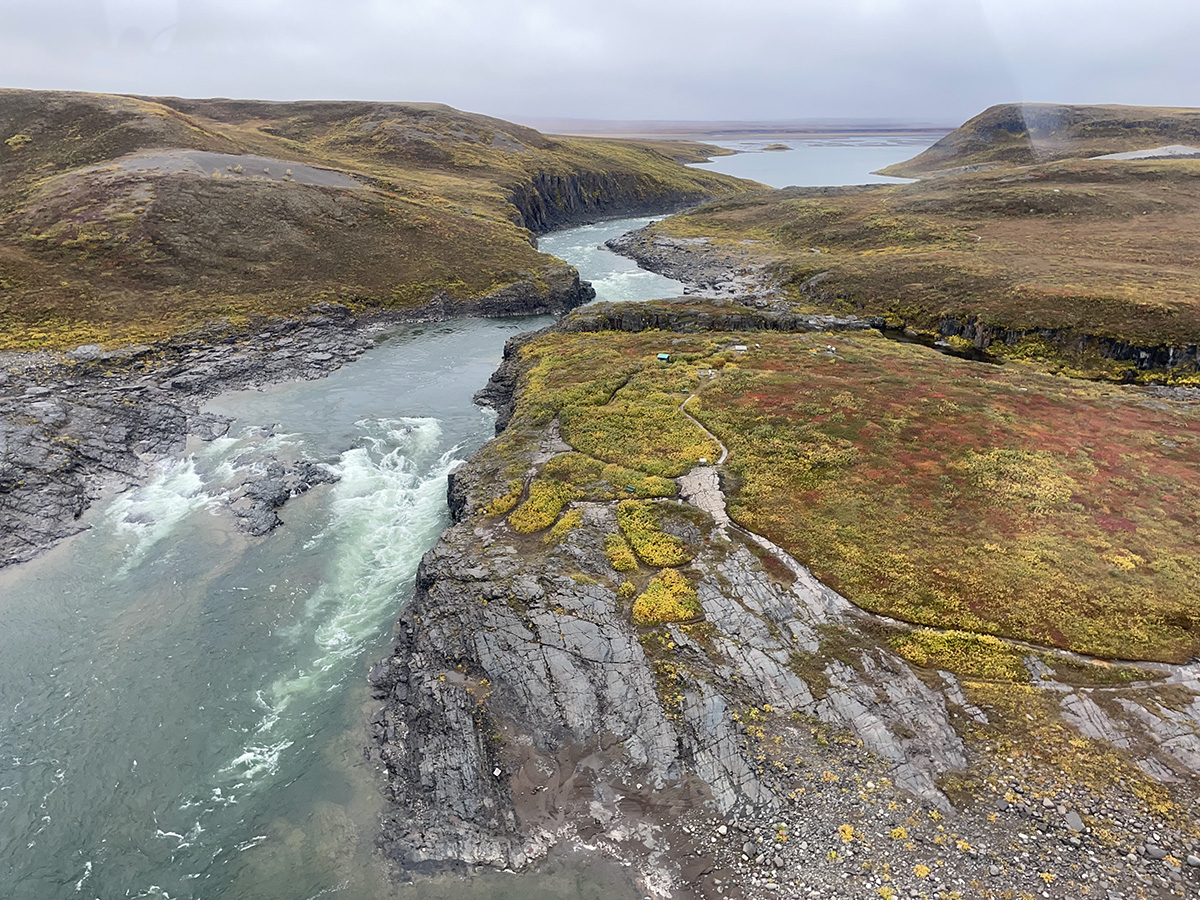
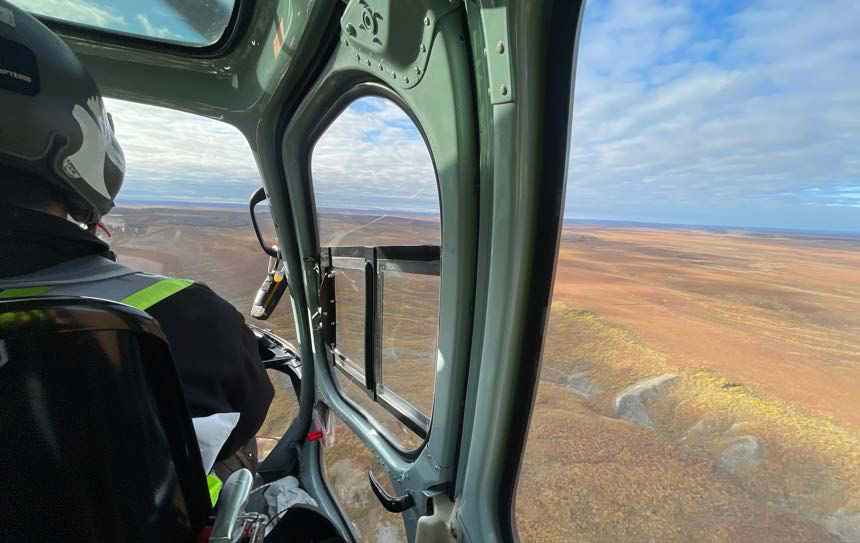
TREK completed remote Arctic geotechnical assessments for seven legacy sites in Nunavut’s Kitikmeot Region as part of remediation planning and risk management of northern contaminated sites. The sites included Speers Lake, Asiak River, Coppermine Area, Impact Lake, Tahiapik River, Kendall River and Coppermine, with access primarily by rotary-wing aircraft from Kugluktuk. TREK’s work included desktop terrain assessment, aerial photography interpretation, site reconnaissance, ground truthing, test pitting, laboratory testing, drainage assessment, evaluation of continuous permafrost and frost-susceptible soils, and identification of staging areas, access routes and locally available construction materials. The investigations were tailored to the logistical and environmental constraints associated with remote geotechnical engineering in the Canadian Arctic.
TREK evaluated the effects of permafrost degradation, active-layer disturbance, frost heave, thaw settlement, drainage, and climate change on the proposed remediation works and developed practical construction recommendations to minimize disturbance of frozen ground. At Speers Lake, detailed terrain mapping and 19 test pits were used to identify potential local sources of common fill, bedding sand, granular material and riprap, and to assess the feasibility of constructing a non-hazardous waste landfill and soil treatment facility. Across the seven sites, TREK integrated permafrost engineering, surficial geology, geomorphology, borrow source assessment, and northern construction planning to support excavation, backfilling, grading, erosion protection, containment, and long-term remediation in sensitive continuous-permafrost terrain.
Iqaluit Equipment Garage
Client:
AECOM
Key Services Provided:
Geotechnical investigation, permafrost engineering, ground temperature monitoring, climate change assessment, deep foundation design, thermosyphon considerations, slab design, site drainage, and construction recommendations.
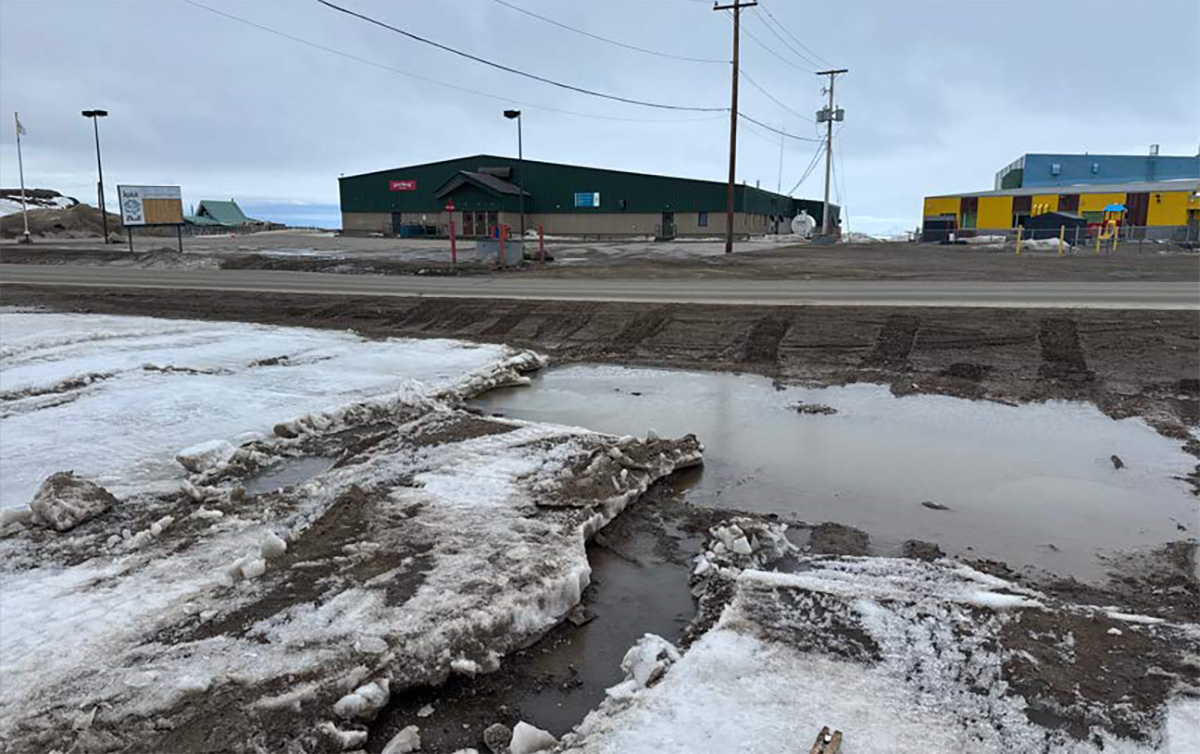
TREK completed a cold regions geotechnical and permafrost investigation for a proposed heated municipal equipment garage in Iqaluit, Nunavut. Standing at approximately 740 to 930 m², the facility was intended to accommodate large sewer and water service vehicles and is situated within the zone of continuous permafrost near Toonik Pond. TREK completed six drilled test holes, laboratory testing, and installation of two thermistor strings to characterize soil stratigraphy, depth to bedrock, ground temperatures, frost susceptibility, groundwater conditions, and potential ground-ice conditions. The investigation identified surficial fill and peat over sand, localized silt, and Precambrian bedrock at depths of approximately 1.8 to 6.4 m. Ground temperatures below approximately 2 m were roughly -4 to -7°C during monitoring, while the site was assessed for potential active-layer development, frost heave, thaw settlement and degradation of locally ice-rich permafrost.
TREK incorporated climate change adaptation and long-term permafrost performance into the foundation design using CSA PLUS 4011 guidance, including allowances for increasing mean annual ground temperatures and active-layer thickness over the service life of the building. Due to the potential for differential thaw settlement and uncertainty in the future thermal regime, rock-socketed steel pipe piles were recommended for support of the primary structure, with design addressing compression, uplift, frost jacking, adfreeze forces, lateral pile response, and cold-weather grouting. Floor slab options included a structurally supported slab over a void where movement was not tolerated – whereas areas with movement that could be accepted, a grade-supported slab with engineered granular materials and frost-protection measures. Following design development, TREK also confirmed that a thermosyphon-stabilized grade-supported slab could be considered as an alternative means of maintaining frozen ground and reducing long-term thaw-settlement risk beneath the heated garage. The project demonstrates TREK’s expertise in Arctic foundation engineering, thermosyphon-supported infrastructure, frozen-ground design, permafrost risk management, thermal monitoring, and climate-resilient municipal infrastructure in Iqaluit.
Rankin Inlet Lot 83/84
Client:
EPLS Maintenance & Services Ltd.
Key Services Provided:
Geotechnical investigation, permafrost engineering, climate change assessment, foundation engineering, laboratory testing, and cold regions construction recommendations.
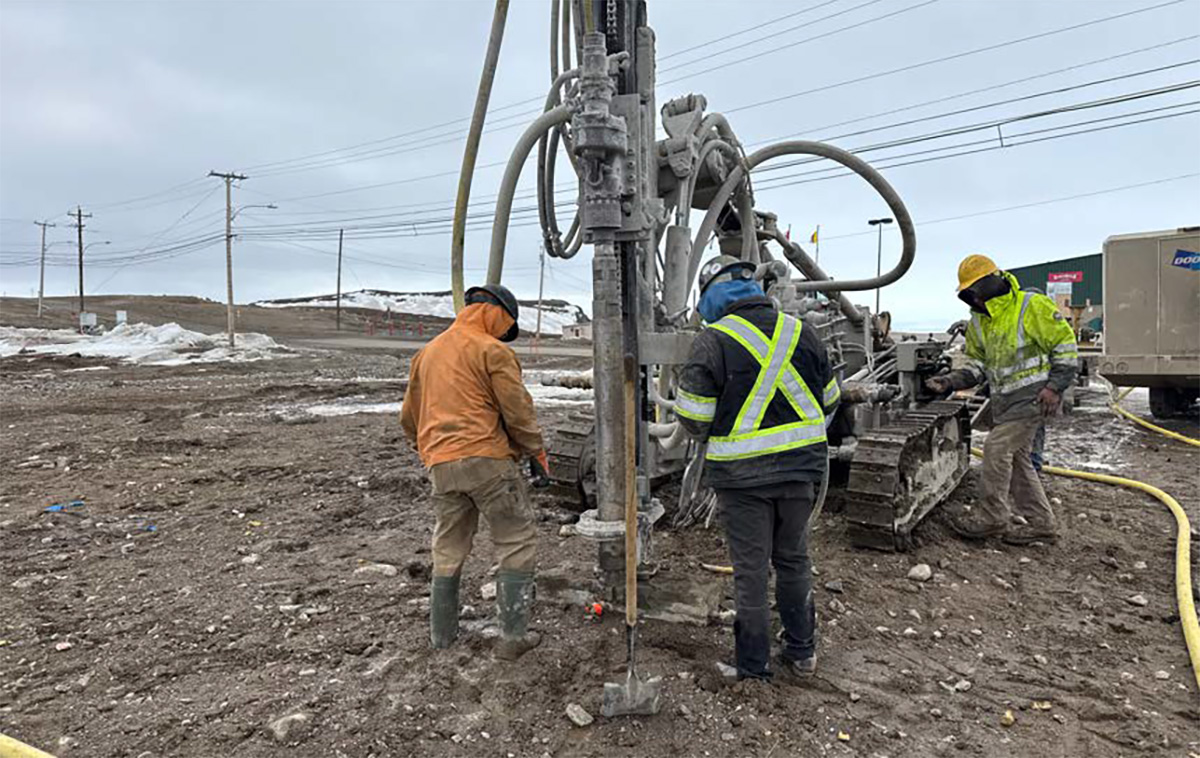
TREK completed a geotechnical and permafrost investigation for proposed commercial development on Lots 83/84 in Rankin Inlet, Nunavut. The site is located within the Canadian Arctic’s continuous permafrost zone, where regional active-layer thickness is approximately 0.6 to 1.6 m, and long-term infrastructure performance is strongly influenced by frozen ground, ground ice, frost action and alternating ground temperatures. TREK completed a sub-surface drilling investigation and laboratory testing to characterize soil stratigraphy, frost susceptibility, and shallow bedrock conditions. The investigation encountered sand over shallow bedrock and provided the geotechnical basis for evaluating foundation systems capable of limiting risks associated with frost heave, thaw settlement and permafrost degradation.
TREK incorporated climate change adaptation for infrastructure in permafrost into the foundation assessment using CSA PLUS 4011 guidance and projected warming over the anticipated service life of the development. Design considerations included increasing mean annual ground temperature, potential deepening of the active layer, frost susceptibility, differential movement, uplift and overturning resistance, and long-term foundation performance. Recommendations were developed for shallow foundations bearing directly on sound bedrock and rock-socketed steel pipe piles, including rock socket design, frost-jacking resistance, foundation inspection, cold-weather concrete and grout, excavation, and construction considerations. The project demonstrates TREK’s application of Arctic geotechnical engineering, permafrost risk assessment and climate-resilient foundation design to community and commercial development in Nunavut.
EFFN Housing

O-Pipon-Na-Piwin Cree Nation Elders Complex
TREK was responsible for the subsurface investigation and design for a new, multi-unit housing complex in the First Nation. The project involved complex surficial geology consisting of sand and gravels, clays and surficial bedrock. Further, the site lies in the area of discontinuous permafrost, requiring specialized design considerations for foundations. The foundation design consisted of shallow strip footings and thickened edge slabs on grade.
Riding Mountain Estates Development
TREK completed a sub-surface investigation and provided recommendations for the new development which includes multiple, single family houses, roadways, sewer and water utilities. The sub-surface stratigraphy consisted largely of sand and the site was well suited for shallow foundation options such as square or strip footings and grade supported slabs. Recommendations for excavations, basements, concrete types, foundation insulation and materials testing during construction were also provided.
Keeyask Construction Camp
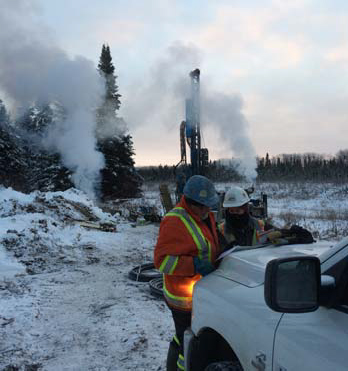
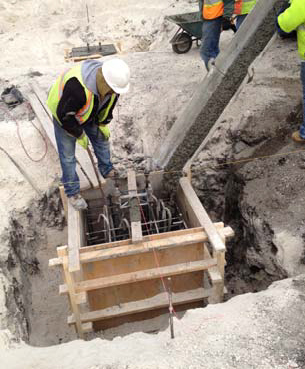
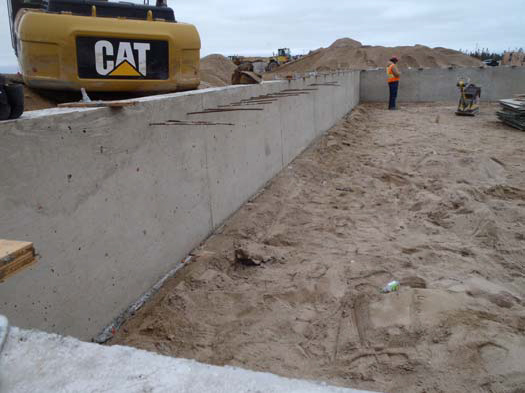
TREK was responsible for the subsurface investigation, design and resident inspection services for various foundation types including helical piles,, grade supported slabs and shallow footings for the 1,000 person camp and associated infrastructure. The subsurface stratigraphy was highly variable consisting of sands, tills, organics and bedrock all within permafrost affected areas. TREK provided on-site quality control materials testing for the foundation installation, compaction and lab testing of backfill soils and concrete placement.
Keeyask Construction Camp
Owner:
Manitoba Hydro
Client:
Britco
Key Services Provided:
Geotechnical Design & Construction Inspection Services
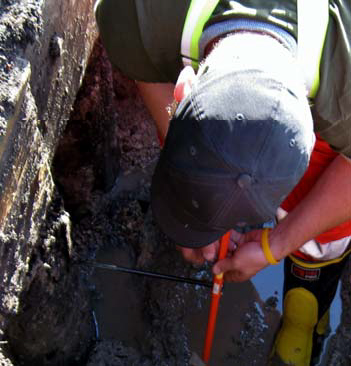
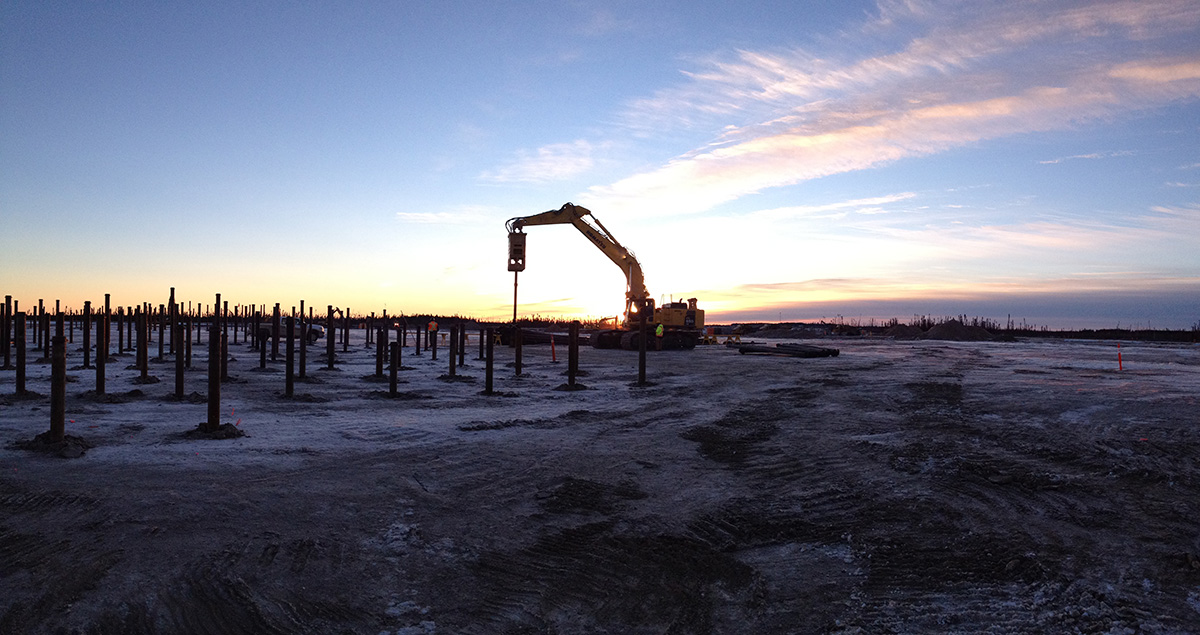
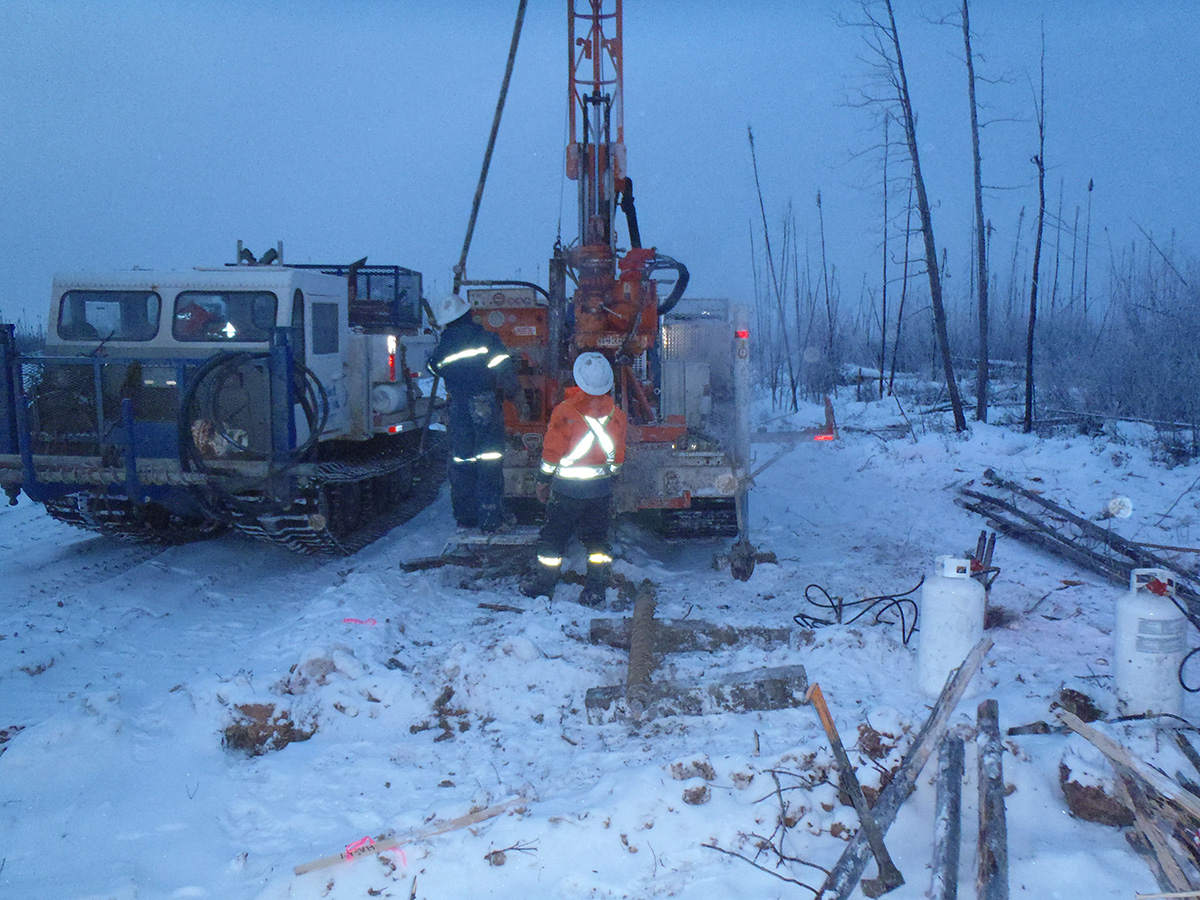
TREK acted as the geotechnical design lead for construction of a 2000 person construction camp located in Northern Manitoba. The camp is required to support construction of the Keeyask Generating Station which is located approximately 50 km west of Gillam, Manitoba. TREK completed geotechnical exploration for the greenfield site and provided geotechnical design for the design-build team for construction of the camp. Design support included recommendations for general site preparation and foundations. Geological conditions at the site were complicated by the known presence of discontinuous permafrost, surficial peat soils, and highly variable depths to bedrock. Based on TREK’s geotechnical recommendations helical pile foundations were ultimately selected for the site. TREK has provided geotechnical inspection services for site development and installation of the helical piles.
Sectors Served in the North
Community Infrastructure
Roads, water and wastewater systems, flood protection, utilities, treatment facilities, and essential public infrastructure.
Transportation Infrastructure
All-season roads, bridges, culverts, embankments, rail, airports, and access routes.
Buildings & Housing
Schools, housing, community buildings, industrial facilities, additions, and foundations in cold-region conditions.
Energy & Utilities
Hydroelectric, transmission, distribution, power line foundations, and remote energy infrastructure.
Mining & Industrial
Tailings, containment, heavy equipment foundations, industrial pads, process water, site runoff, and closure planning.
Built on relationships, not just reports
Northern engineering requires more than technical calculations. It requires listening, adapting, and working closely with communities, owners, contractors, and regulators. TREK’s approach combines technical depth with practical field judgment, community awareness, and responsive decision-making when site conditions change.